

 https://doi.org/10.59875/130007
Figures (Includes Tables)

Supplementary Material

Table Name.xls
3 Mb
Abstract
Ocean exploration has always fascinated scientists and adventurers alike. This article delves into the marvels of ocean exploration, highlighting the technological advancements. Ocean exploration has always fascinated scientists and adventurers alike. This article delves into the marvels of ocean exploration, highlighting the technological advancements.
Introduction
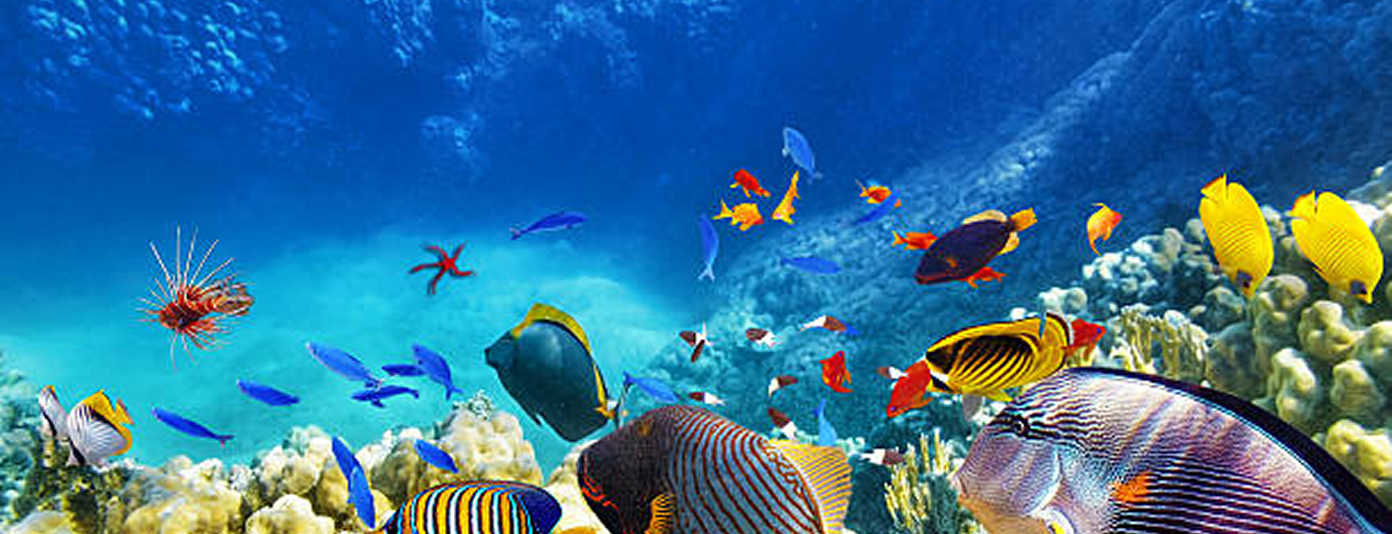
Image 1: Marine Life & Environment
Ocean exploration is not just about discovery; it is also about conservation. The health of our oceans is critical to the well-being of our planet. Overfishing, pollution, and climate change are major threats to marine ecosystems. By studying the ocean, scientists can identify changes and challenges, helping to develop strategies to protect these vital environments. Preserving the ocean is crucial not only for marine life but also for human communities that rely on the ocean for food, transportation, and recreation food, transportation, and recreation.Ocean exploration is not just about discovery; it is also about conservation. The health of our oceans is critical to the well-being of our planet. Overfishing, pollution, and climate change are major threats to marine ecosystems. By studying the ocean, scientists can identify changes and challenges, helping to develop strategies to protect these vital environments. Preserving the ocean is crucial not only for marine life but also for human communities that rely on the ocean for food, transportation, and recreation food, transportation, and recreation.
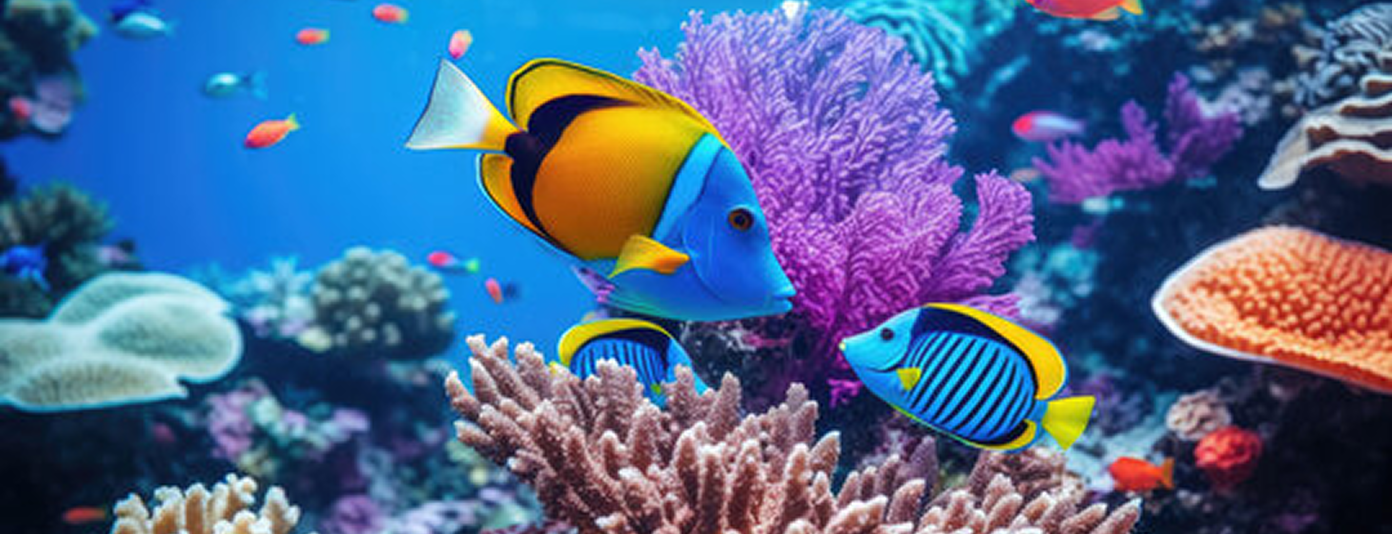
Image 2: Marine Life & Environment e
Ocean exploration is not just about discovery; it is also about conservation. The health of our oceans is critical to the well-being of our planet. Overfishing, pollution, and climate change are major threats to marine ecosystems. By studying the ocean, scientists can identify changes and challenges, helping to develop strategies to protect these vital environments. Preserving the ocean is crucial not only for marine life but also for human communities that rely on the ocean for food, transportation, and recreation food, transportation, and recreation.Ocean exploration is not just about discovery; it is also about conservation. The health of our oceans is critical to the well-being of our planet. Overfishing, pollution, and climate change are major threats to marine ecosystems. By studying the ocean, scientists can identify changes and challenges, helping to develop strategies to protect these vital environments. Preserving the ocean is crucial not only for marine life but also for human communities that rely on the ocean for food, transportation, and recreation food, transportation, and recreation.
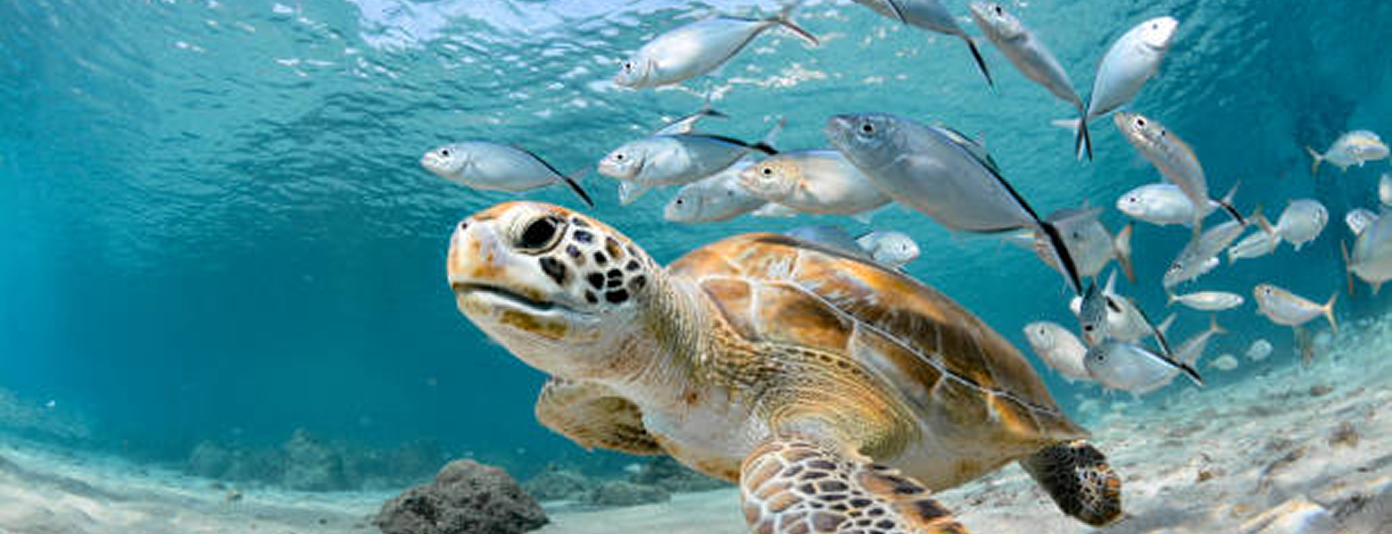
Image 3: Marine Life & Environment
Ocean exploration is not just about discovery; it is also about conservation. The health of our oceans is critical to the well-being of our planet. Overfishing, pollution, and climate change are major threats to marine ecosystems. By studying the ocean, scientists can identify changes and challenges, helping to develop strategies to protect these vital environments. Preserving the ocean is crucial not only for marine life but also for human communities that rely on the ocean for food, transportation, and recreation food, transportation, and recreation.Ocean exploration is not just about discovery; it is also about conservation. The health of our oceans is critical to the well-being of our planet. Overfishing, pollution, and climate change are major threats to marine ecosystems. By studying the ocean, scientists can identify changes and challenges, helping to develop strategies to protect these vital environments. Preserving the ocean is crucial not only for marine life but also for human communities that rely on the ocean for food, transportation, and recreation food, transportation, and recreation.
Conclusion
I would like to thank all the researchers, scientists, and explorers who have contributed to our understanding of the ocean. Special thanks to the institutions and organizations dedicated to ocean conservation and exploration.
Acknowledgement
I would like to thank all the researchers, scientists, and explorers who have contributed to our understanding of the ocean. Special thanks to the institutions and organizations dedicated to ocean conservation and exploration.
References
Dr. Najma Shaikh, Dr. Seema Pattanaik, Dr. Bikash Pattanaik, Dr. Anagha Sunder. Maxillary hollow denture: A literature review. Int J Appl Dent Sci 2021;7(2):517-520.
Goyal B, Bhargava K. Arrangement of artificial teeth in abnormal jaw relations: Mandibular protrusion and wider lower arch. J Prosthet Dent. 1974;32(4):458-61. doi:10.1001/jama.2014.10432
Dr. Priyanka N. Khungar, et.al. "Caramel spacer: An innovative technique for fabrication of hollow maxillary complete denture." IOSR Journal of Dental and Medical Sciences (IOSRJDMS), 19(1), 2020, pp. 31-37. doi:10.1001/jama.2014.10432
Abdurahiman V, Shammas M, Quassem M, JOLLY S.J. Management of Occlusion in a Completely Edentulous Patient with Abnormal Jaw Relation. Journal of Clinical and Diagnostic Research. 2019 Feb 1;13(2):7-8. doi:10.1001/jama.2014.10432
Bhushan P, Aras MA, Chitre V, Mysore AR, Mascarenhas K, Kumar S. The hollow maxillary complete denture: a simple, precise, single-flask technique using a caramel spacer. Journal of Prosthodontics. 2019 Jan;28(1):e13-7. doi:10.1001/jama.2014.10432
Tambe A, Patil S, Bhat S, Badadare M. Cross-arch arrangement in complete denture prosthesis to manage an edentulous patient with oral submucous fibrosis and abnormal jaw relation. BMJ Case Rep. 2014;2014:bcr2013203065. doi:10.1001/jama.2014.10432
Shetty V, Gali S, Ravindran S: Light weight maxillary complete denture: a case report using a simplified technique with thermocol. J Interdiscip Dentistry 2011;1:45-48 doi:10.1001/jama.2014.10432
